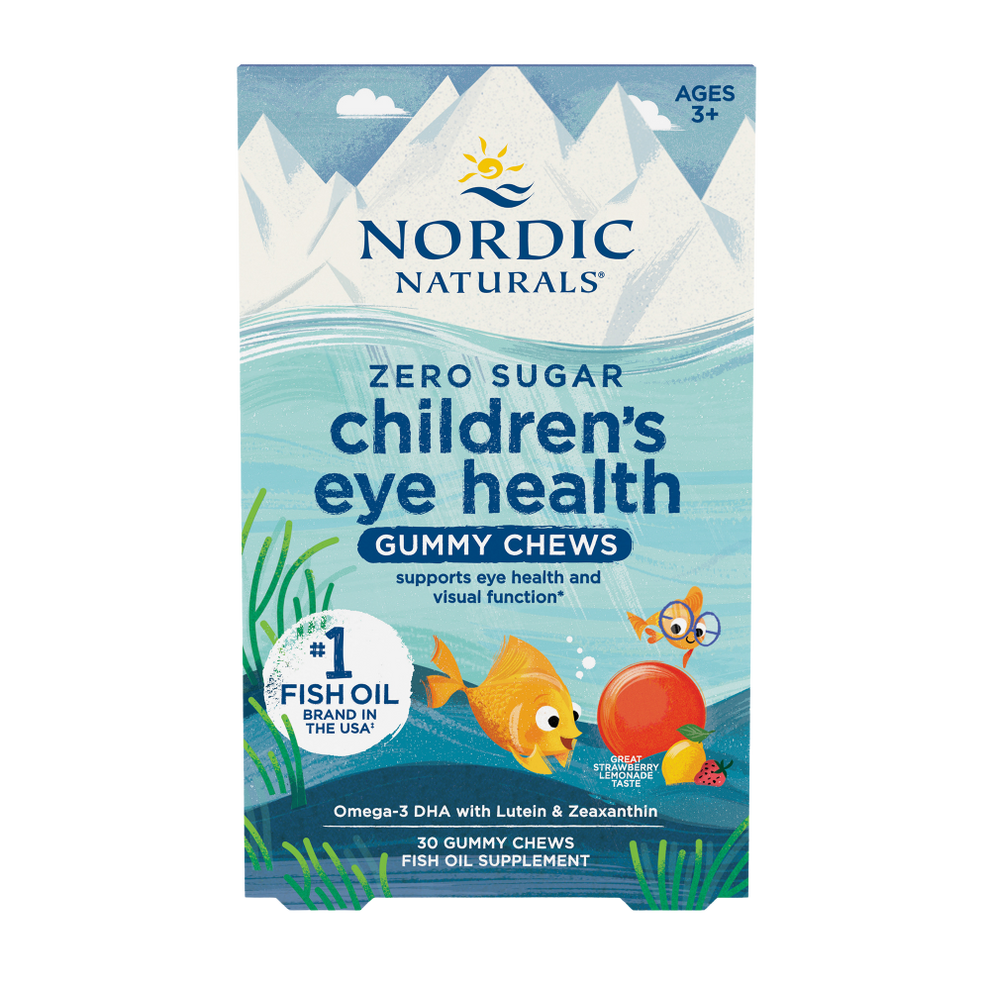
Children’s bodies are in a constant state of growth and development, requiring a balanced supply of vitamins and minerals to support everything from bone formation to cognitive function. While a varied diet remains the cornerstone of nutrition, many parents turn to multivitamins to fill gaps that may arise due to picky eating habits, busy schedules, or specific health needs. Selecting a supplement that contains the right ingredients can make a meaningful difference in a child’s overall well-being, energy levels, and immune resilience.
Why Multivitamins Matter for Kids
During the first twelve years of life, the body undergoes rapid changes that demand precise nutritional support. When dietary intake falls short, multivitamins can help:
- Support bone density and growth plates.
- Promote healthy brain development and concentration.
- Strengthen the immune system against common infections.
- Maintain healthy skin, hair, and nails.
For families seeking evidence-based guidance, Discover expert strategies here provides a curated selection of products that align with current pediatric nutrition standards.
Core Vitamins and Their Functions
Vitamin D – The Sunshine Vitamin
Vitamin D is essential for calcium absorption and bone mineralization. Deficiency can lead to rickets or delayed growth.
- Recommended daily allowance for children 1-18 years: 600-800 IU.
- Often sourced from fortified dairy, fatty fish, and safe sun exposure.
- Look for supplements that provide 400-600 IU per serving to complement dietary intake.
Vitamin A – Vision and Immune Health
Vitamin A supports retinal function, skin integrity, and immune response.
- Beta-carotene (plant-based) is a safe, pre-formed source for children.
- Typical dosage: 300-600 ??g RAE (Retinol Activity Equivalents) per day.
- Excess intake should be avoided; choose formulas with balanced levels.
Vitamin C – Antioxidant Powerhouse
Beyond its role in collagen synthesis, vitamin C enhances iron absorption and protects cells from oxidative stress.
- Daily needs: 15-45 mg depending on age.
- Natural sources include citrus fruits, berries, and bell peppers.
- Supplement forms often use ascorbic acid or buffered calcium ascorbate for better tolerance.
Key Minerals for Growing Bodies
Calcium – Building Strong Bones
Calcium works synergistically with vitamin D to fortify the skeletal system.
- Recommended intake: 1,000 mg for ages 4-8, 1,300 mg for ages 9-18.
- Look for chewable tablets or gummies that use calcium carbonate or citrate for optimal absorption.
Iron – Supporting Energy and Development
Iron is vital for oxygen transport and cognitive development. Children, especially girls, are at risk of iron-deficiency anemia.
- Daily requirement: 7-15 mg based on age and gender.
- Ferrous bisglycinate is a gentle, well-absorbed form suitable for kids.
- Pair iron-rich supplements with vitamin C to boost uptake.
Zinc – Immune and Growth Regulation
Zinc contributes to DNA synthesis, wound healing, and immune function.
- Recommended amount: 5-11 mg per day.
- Zinc picolinate or zinc gluconate are common, bioavailable choices.
Additional Beneficial Ingredients
Beyond the classic vitamins and minerals, several adjunct ingredients can enhance a child’s nutritional profile.
- Omega-3 fatty acids (DHA/EPA): Crucial for brain and eye development; often derived from algae for a vegetarian source.
- Probiotics: Support gut health, which is linked to immune resilience and nutrient absorption.
- Vitamin K2: Works with vitamin D to direct calcium to bones rather than soft tissues.
For a deeper dive into formulations that combine these components, Learn about our tailored solutions offers a range of products formulated by nutrition experts.
Choosing the Right Formulation
When evaluating multivitamin options, consider the following criteria:
- Age-appropriate dosage: Formulas should match the specific needs of the child’s age group.
- Palatability: Chewable tablets, gummies, or liquid drops increase compliance.
- Allergen-free: Look for products free from common allergens such as gluten, dairy, and soy.
- Third-party testing: Certifications ensure purity and accurate labeling.
Parents interested in evidence-backed product selection can Explore advanced guides and tips that outline how to read labels and verify quality.
Integrating Multivitamins Into Daily Routines
Consistency is key for any supplement regimen. Simple strategies include:
- Pairing the vitamin with a regular mealtime, such as breakfast or dinner.
- Using a visual chart to track daily intake and celebrate adherence.
- Combining the supplement with a glass of water or a favorite fruit puree for easier swallowing.
For practical advice on building sustainable habits, Find out more about this approach and see how small adjustments can lead to lasting health benefits.
Conclusion
Choosing a children’s multivitamin that contains essential vitamins like D, A, and C, alongside minerals such as calcium, iron, and zinc, provides a solid foundation for healthy growth. Complementary ingredients, omega-3s, probiotics, and vitamin K2, can further support cognitive development and immune resilience. By selecting age-appropriate, palatable, and rigorously tested formulations, parents can confidently fill nutritional gaps while encouraging lifelong healthy habits. For a curated selection that reflects these principles, visit the dedicated kids-vitamins collection and explore options that align with the latest pediatric nutrition research.