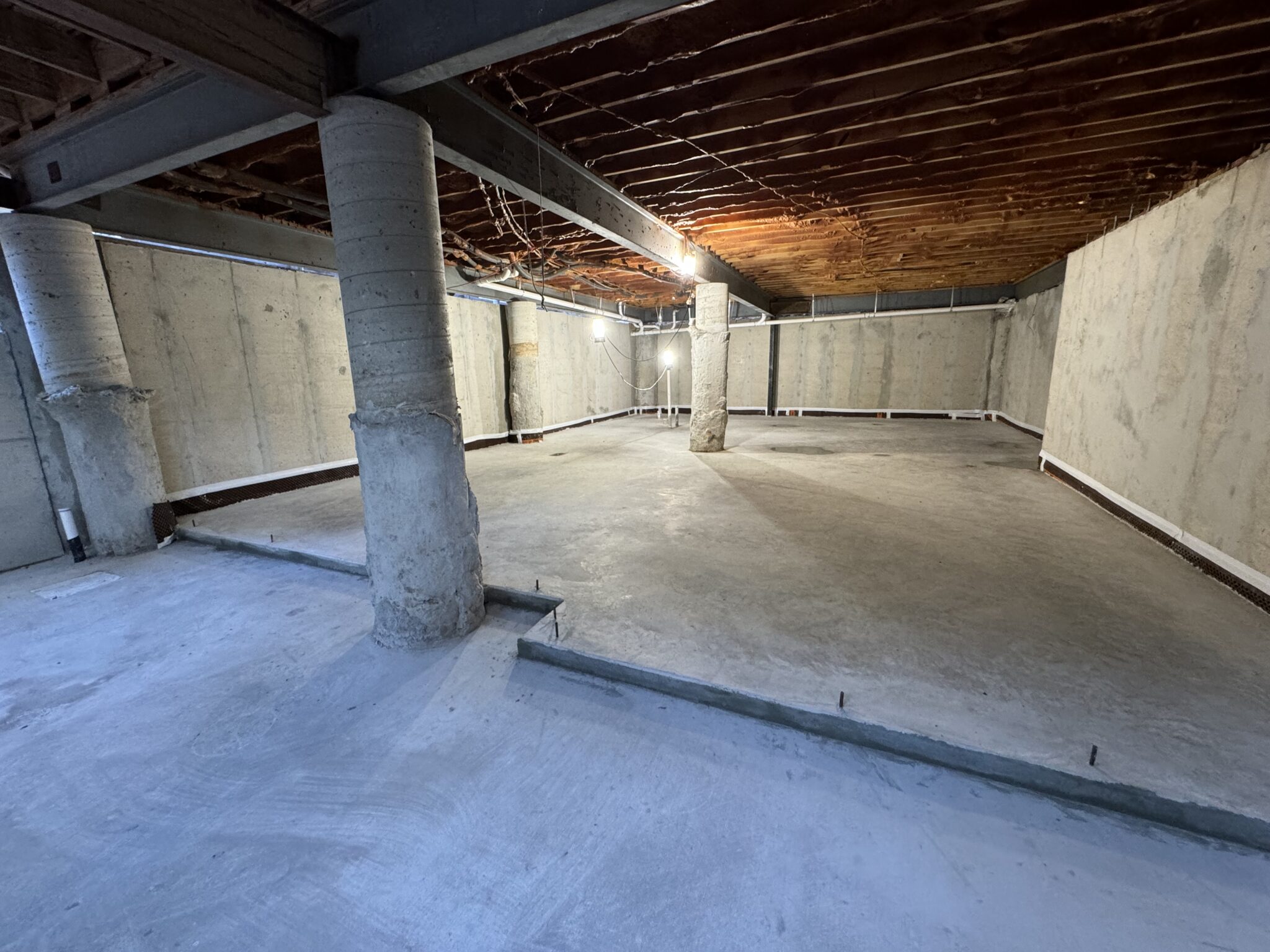
Basement moisture can compromise structural integrity, indoor air quality, and overall property value. While interior fixes provide temporary relief, external basement waterproofing addresses the problem at its source, creating a durable barrier against water intrusion. By directing water away from the foundation before it reaches the walls, homeowners gain long-term protection, reduced maintenance costs, and a healthier living environment. Understanding the advantages of this approach helps in making informed decisions for any renovation or new-construction project.
Why External Waterproofing Outperforms Interior Methods
External systems operate on the principle of prevention rather than remediation. Unlike interior sealants that trap moisture inside the walls, an exterior membrane stops water before it can penetrate. This proactive stance delivers several measurable benefits:
- Enhanced Structural Stability: Water pressure against foundation walls is dramatically reduced, lowering the risk of cracks and shifts.
- Improved Indoor Air Quality: By preventing dampness, mold and mildew growth are minimized, protecting occupants’ health.
- Energy Efficiency: A dry basement maintains more consistent temperatures, reducing heating and cooling loads.
- Increased Property Value: Proven waterproofing solutions are a strong selling point in real-estate markets.
Core Components of an External Waterproofing System
Water-Resistant Membrane
The membrane is the primary barrier that adheres to the exterior wall surface. Modern polymer-based membranes can withstand hydrostatic pressure and temperature fluctuations, ensuring long-term performance.
Drainage Plane and French Drain
A properly installed drainage plane collects water that reaches the foundation and channels it to a French drain or sump system. This reduces hydrostatic pressure and directs water safely away from the structure.
Protective Coating and Sealants
Top coats protect the membrane from UV exposure, mechanical damage, and soil chemicals. Sealants are applied at joints and penetrations to maintain a continuous seal.
Cost Considerations and Return on Investment
External waterproofing typically involves higher upfront costs than interior treatments, but the long-term savings are compelling. By preventing water damage, homeowners avoid expensive repairs such as wall replacement, mold remediation, and foundation stabilization.
- Initial Investment: Varies based on foundation depth, soil conditions, and material selection.
- Maintenance Savings: Minimal ongoing maintenance compared to interior systems that require periodic resealing.
- Energy Savings: A dry, insulated basement can lower utility bills by up to 15% in some climates.
- Resale Premium: Certified waterproofing can add a noticeable premium during property appraisal.
For a detailed breakdown of costs and expected savings, Discover expert strategies here.
Maintenance Practices to Extend System Life
While external systems are designed for durability, regular inspections ensure continued effectiveness. Recommended practices include:
- Inspecting the exterior grading and ensuring proper slope away from the foundation.
- Checking the French drain outlets for blockages, especially after heavy rains.
- Monitoring the membrane for visible tears or punctures and addressing them promptly.
- Cleaning gutters and downspouts to prevent overflow that could saturate the soil near the foundation.
Guidelines for ongoing care are covered in depth at Explore advanced guides and tips.
Choosing the Right External Waterproofing Solution
Selecting a system that aligns with site-specific conditions is essential. Factors to evaluate include soil type, groundwater level, foundation material, and local climate. Professionals often perform a moisture analysis and a structural assessment before recommending a tailored approach.
To learn about customized methods that address unique challenges, Learn about our tailored solutions.
Additional information on the methodology, material options, and case studies can be found by Find out more about this approach.
Conclusion
External basement waterproofing offers a comprehensive defense against water intrusion, safeguarding both the structural integrity of a building and the health of its occupants. By investing in a robust external system, homeowners gain peace of mind, lower long-term maintenance costs, and a measurable boost to property value. As construction standards evolve, the integration of high-performance membranes, efficient drainage networks, and protective coatings continues to set the benchmark for reliable, lasting waterproofing solutions.